

The “Ley de Protección de la Dignidad Digital” — Mexico’s Proposed Meme Ban


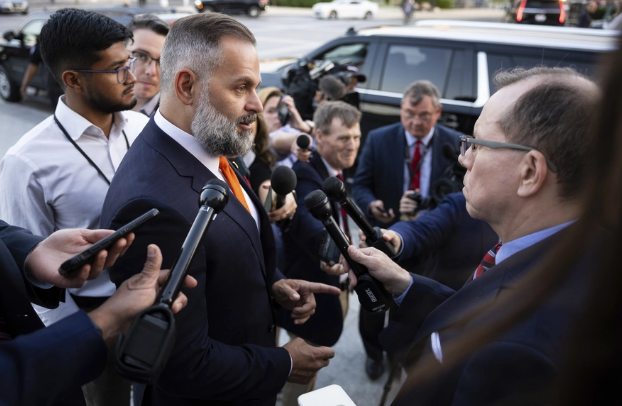
In a move that has sparked fierce debate over free speech, Mexican congressman Armando Corona Arvizu of the ruling Morena party (led by President Claudia Sheinbaum) has introduced a bill that would criminalize the creation or sharing of memes, stickers, GIFs, or edited videos targeting public officials. The draft law, officially titled the “Ley de Protección de la Dignidad Digital” (Digital Dignity Protection Act), would amend the Federal Penal Code to impose harsh penalties for online expression deemed harmful to a public official’s reputation or dignity.
What the Bill Proposes
Under the proposed Ley de Protección de la Dignidad Digital, the following key provisions would apply:
- Sentence and fines: Up to six years’ imprisonment, plus fines equivalent to 600 days’ wages, could be imposed on those found guilty of creating or distributing visual or audiovisual content (memes, stickers, GIFs, edited videos) that “affects the reputation” or “damages the dignity” of public officials.
- Aggravated penalty for public officials as victims: If the target of the content is a public servant, the punishment would increase by up to 50%.
- Broad definition of content: The law would not be limited to traditional memes but would also include manipulated images, AI-generated content, or deepfakes that aim to ridicule, harass, impersonate, or otherwise undermine someone’s image without consent. (This echoes aspects of contemporary proposals in digital regulation. Yucatán Daily News+1)
- “Digital violence” expansion: The bill treats such content as a form of “digital violence,” extending the concept into the political sphere—a move that critics say opens the door to censorship under the guise of protecting dignity.
At present, the proposal is under committee review in the Chamber of Deputies and has yet to be debated in full.
Why This Is Controversial
1. Chilling Effect on Satire and Political Criticism
Memes, caricatures, and satire have long been tools for political commentary and public engagement. By criminalizing forms of visual critique, the law would chill legitimate dissent and artistic expression. Many fear that even mild jokes or parodies of public figures could become prosecutable offenses.
2. Vague Language Leaves Room for Abuse
Terms like “damage the dignity” or “affect the reputation” are highly subjective. That vagueness raises serious concerns about arbitrary enforcement, selective prosecution, and weaponization of the law against political opponents or critics.
3. Contradiction with Constitutional Freedoms
Mexico’s constitution guarantees freedom of expression (Articles 6 and 7). In addition, under international human rights law, restrictions on speech must be clearly defined, necessary, proportionate, and serve a legitimate purpose in a democratic society. A sweeping law that criminalizes memes likely would fail those tests. (Mexico already has certain laws against defamation and obligations regarding privacy, but those are usually civil, not criminal, and have more due process safeguards.) Human Rights Watch+3Wikipedia+3State+3
4. Risk of Censorship Disguised as Protection
While framed as a measure to guard against “digital violence,” many see it as a thinly veiled attempt to shield public officials from ridicule and criticism. In countries with weaker institutions, such laws have been used to suppress dissent. The timing and political context suggest a potential motive to curtail negative public discourse.
5. Precedents & International Norms
Some Mexican states and prior local efforts have flirted with similar restrictions, but enforcement has been rare or weak. State+1 On the international stage, a trend toward regulating disinformation and AI-driven deepfakes exists, but the global consensus leans toward disclosure rules or transparency requirements—not blanket bans that criminalize satire.
What Happens Next & What to Watch
- The bill must clear several committees in the Chamber of Deputies before reaching a full vote.
- Civil society, journalists, digital rights groups, and opposition parties are mobilizing to oppose it, emphasizing constitutional protections for free speech.
- Legal challenges would likely follow if the law passes, potentially ending up in the Supreme Court, where constitutional review would loom large.
- Media coverage, public discussion, and digital activism will be crucial in shaping whether the law is modified, watered down, or struck down.
Conclusion
The Ley de Protección de la Dignidad Digital represents a striking attempt to impose criminal liability on social media expression, particularly humor and satire aimed at public figures. While its proponents frame it as defending honor and combating digital abuse, its vague language, heavy penalties, and scope make it a grave threat to freedom of expression in Mexico. If passed, it could drastically reshuffle the boundaries of what is permissible online — turning jokes into crimes.